


Last News
The meeting of justice and social system – mission (im)possible?
A discussion that the Social Activities and Practices Institute holds at a national level involves, among other things, the topic of the key link between social work and services and modern justice, which is not simply aimed at imposing punishment but at bringing about a change in a person and at their social inclusion.
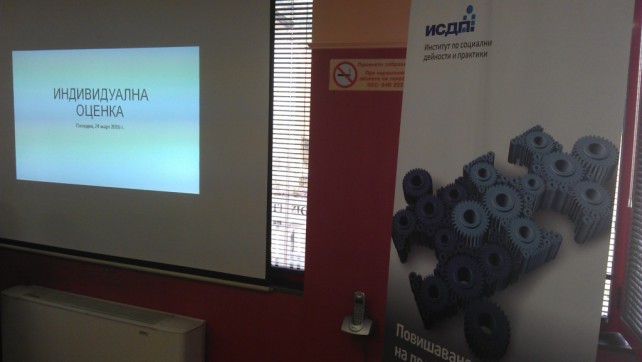
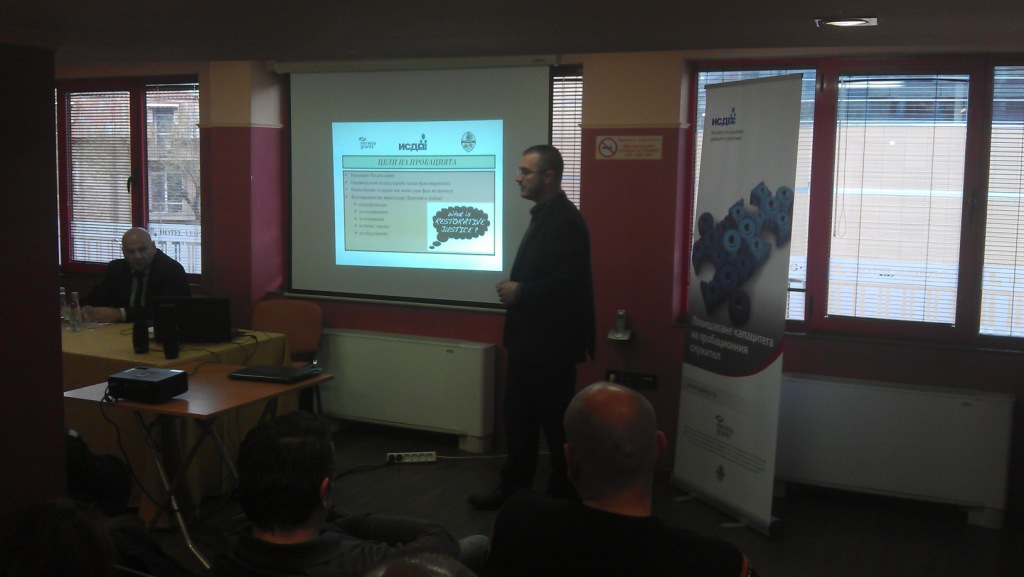
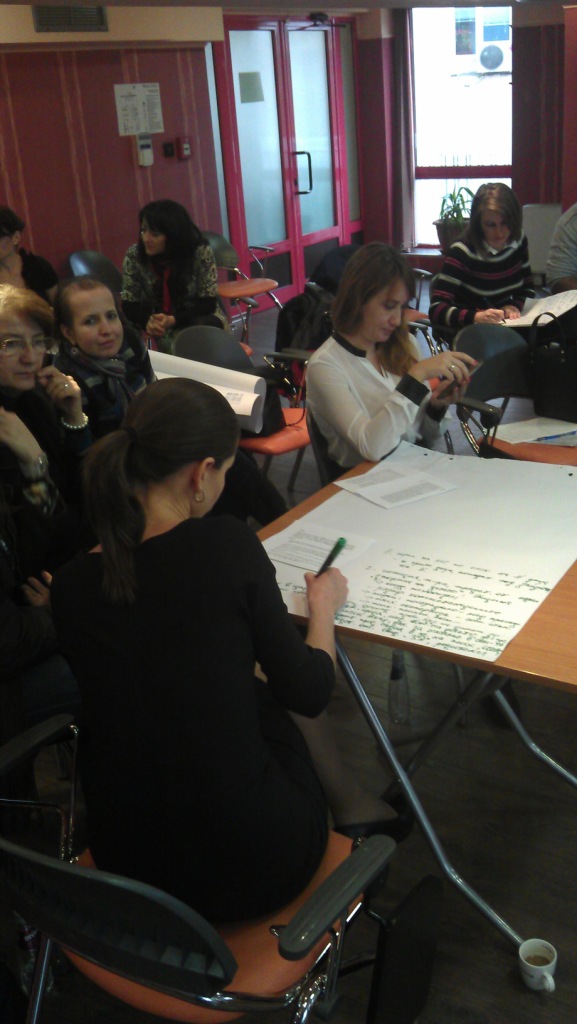
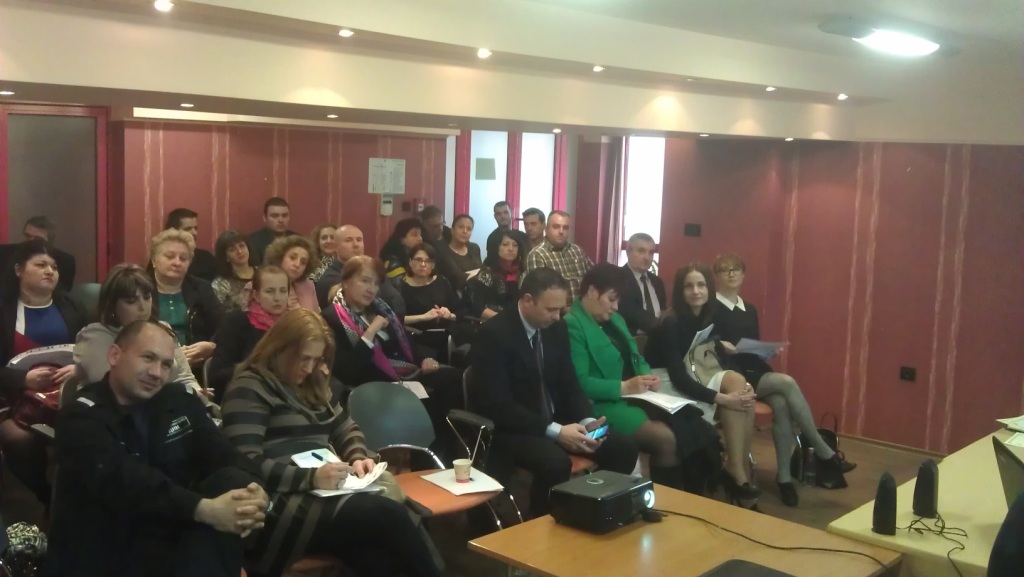
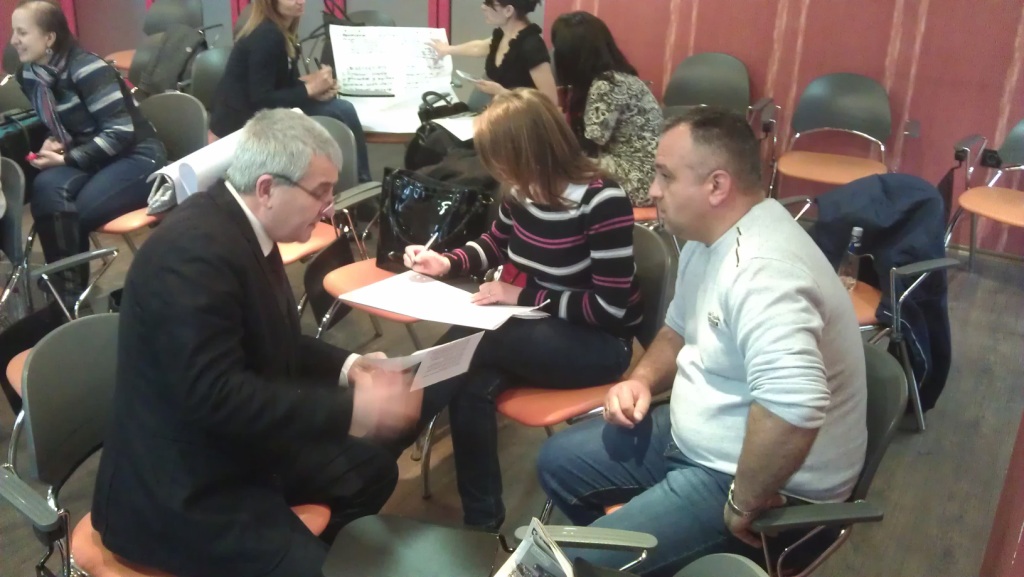
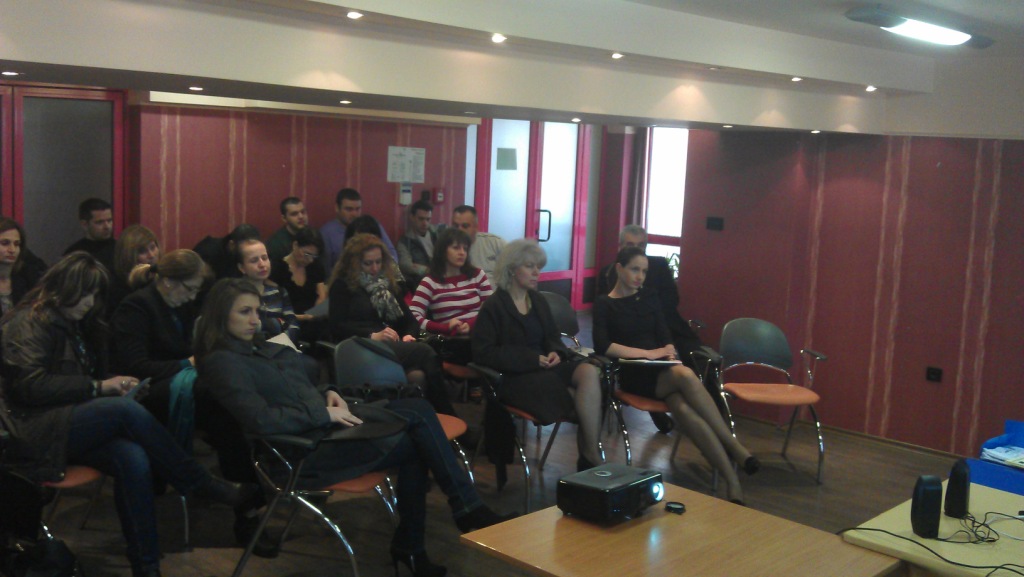
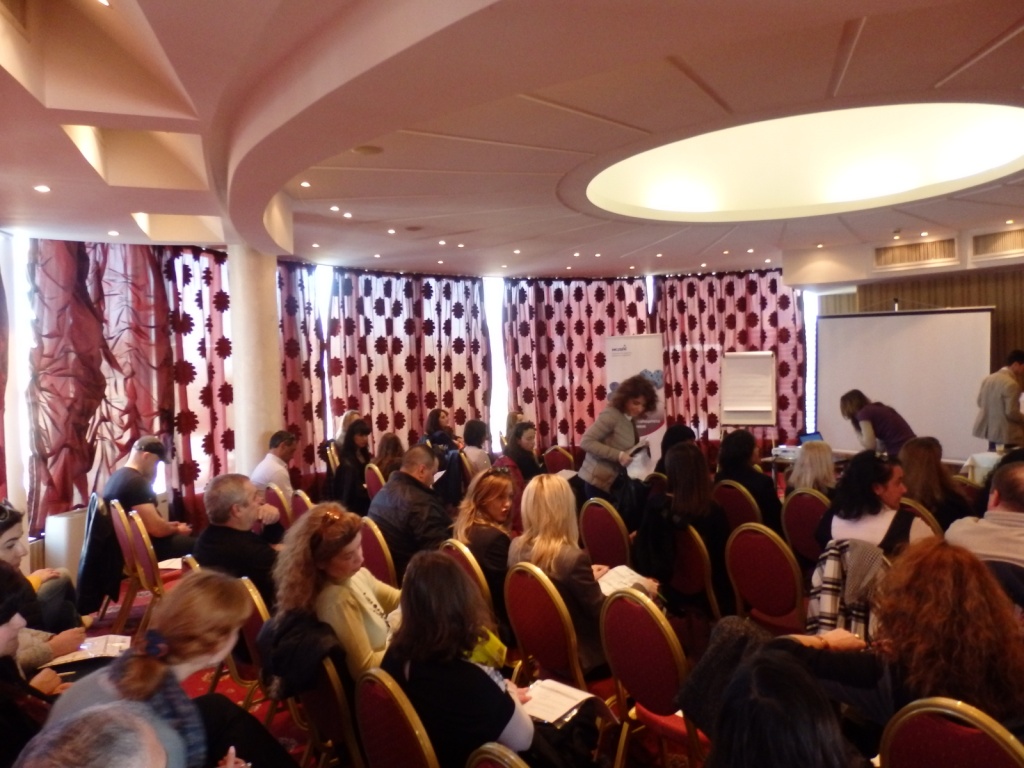
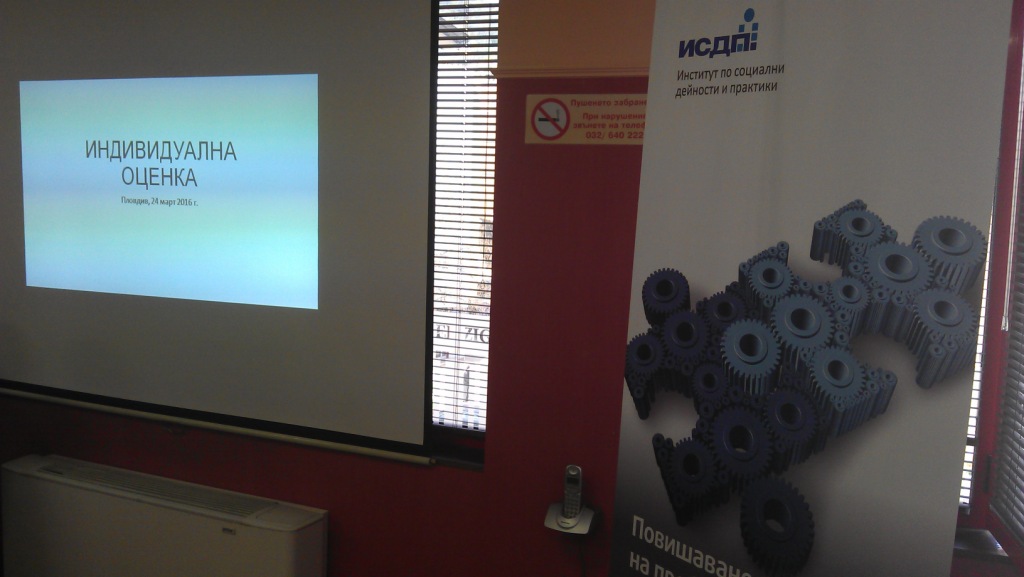
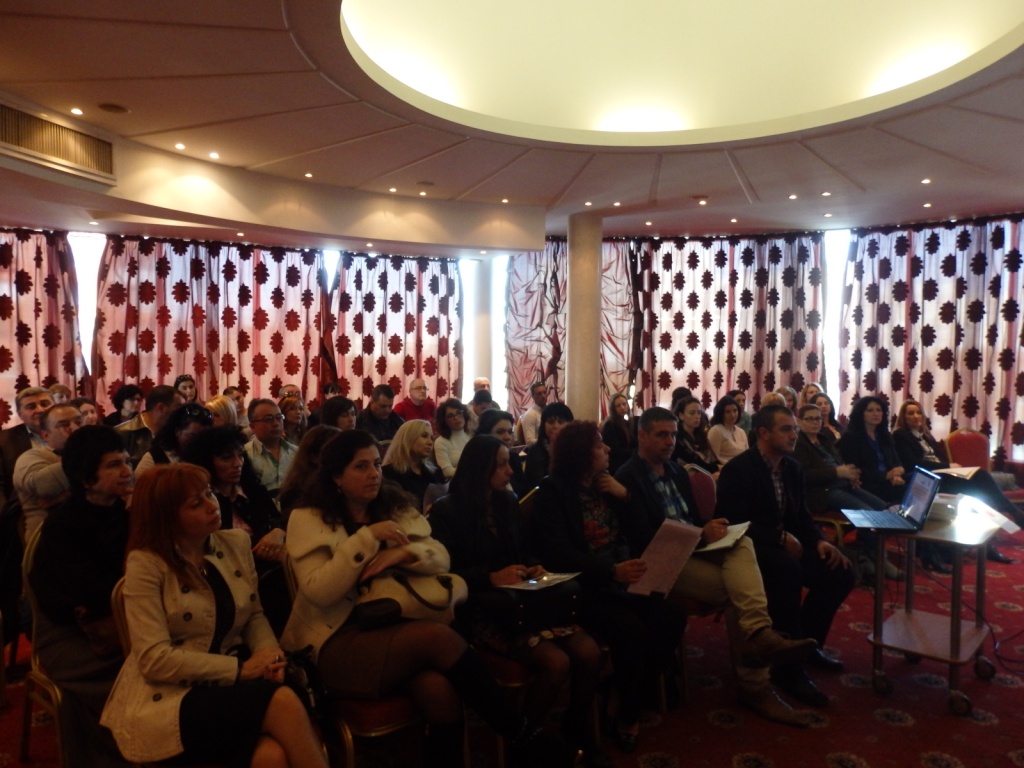
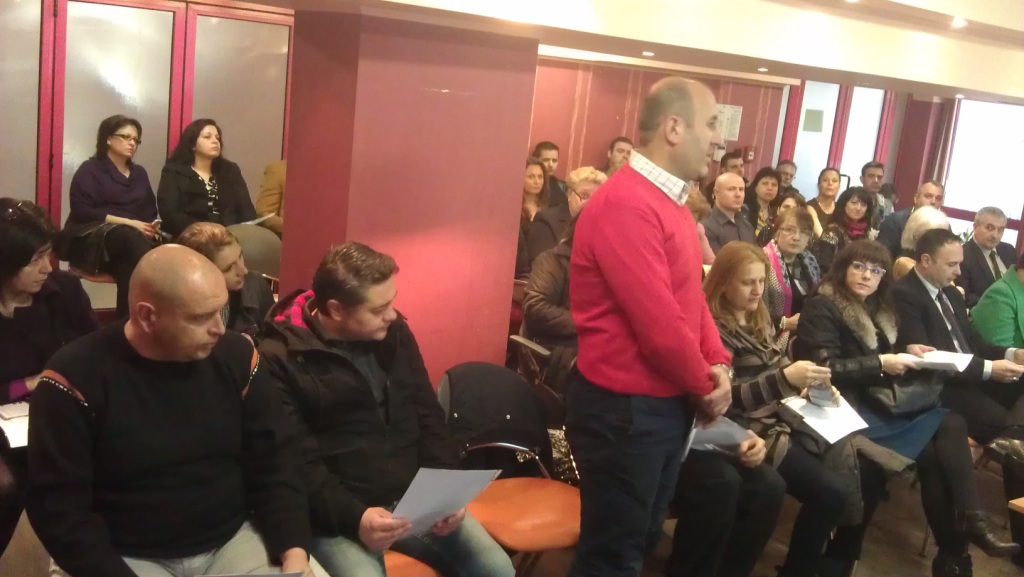
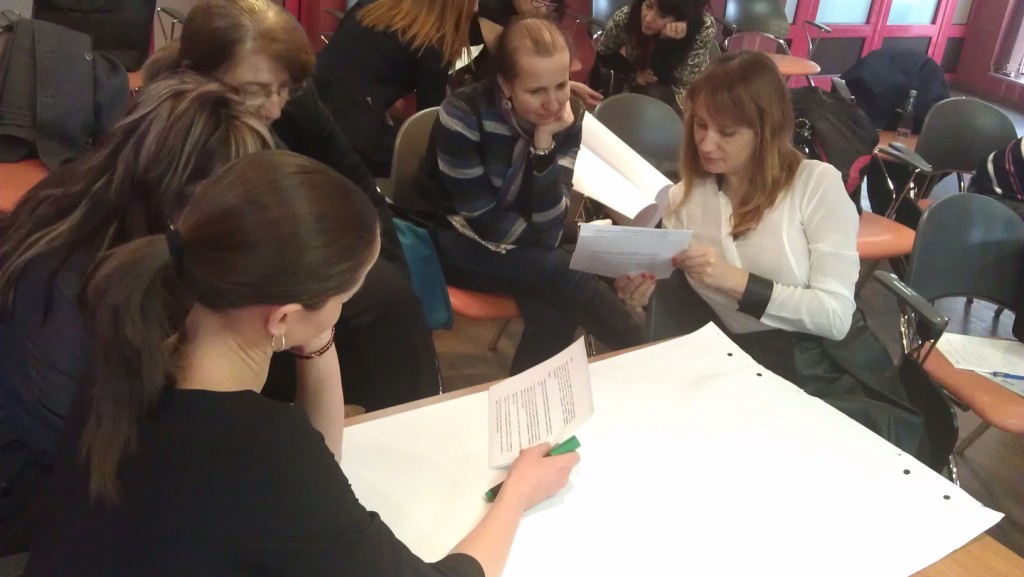
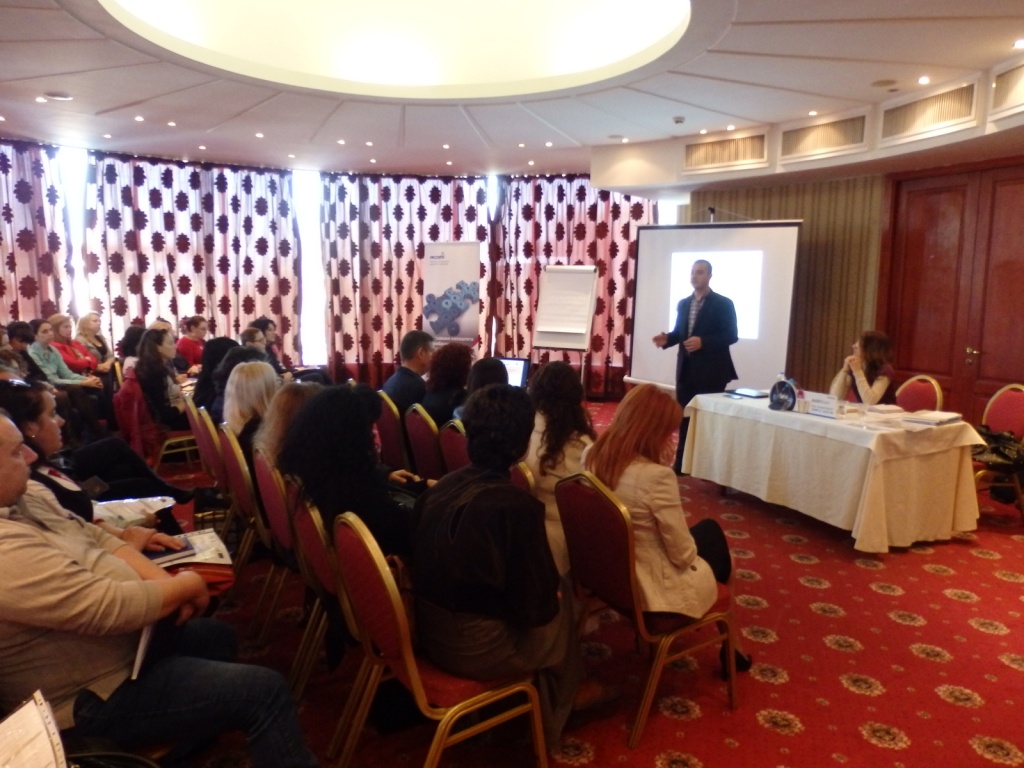
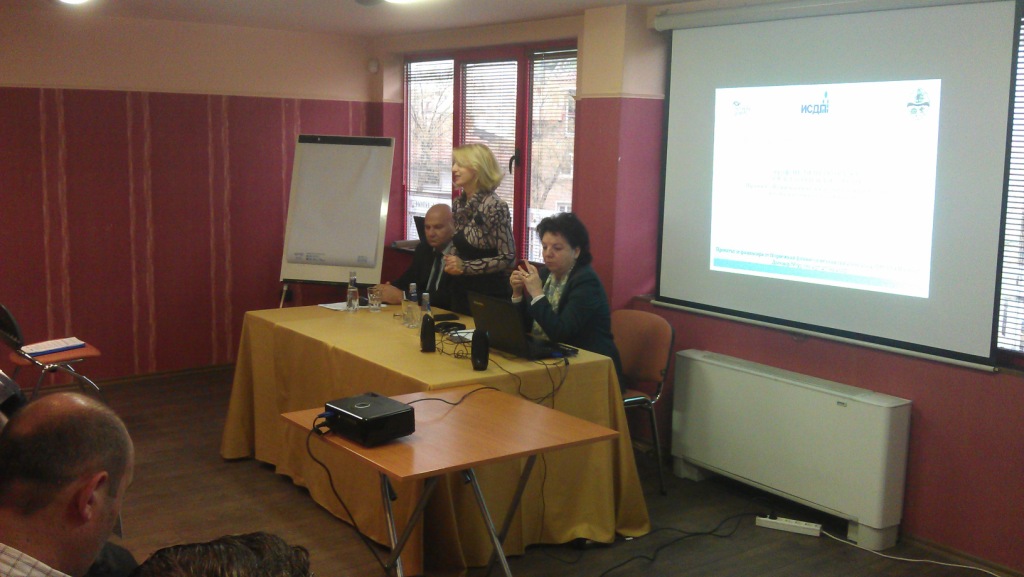
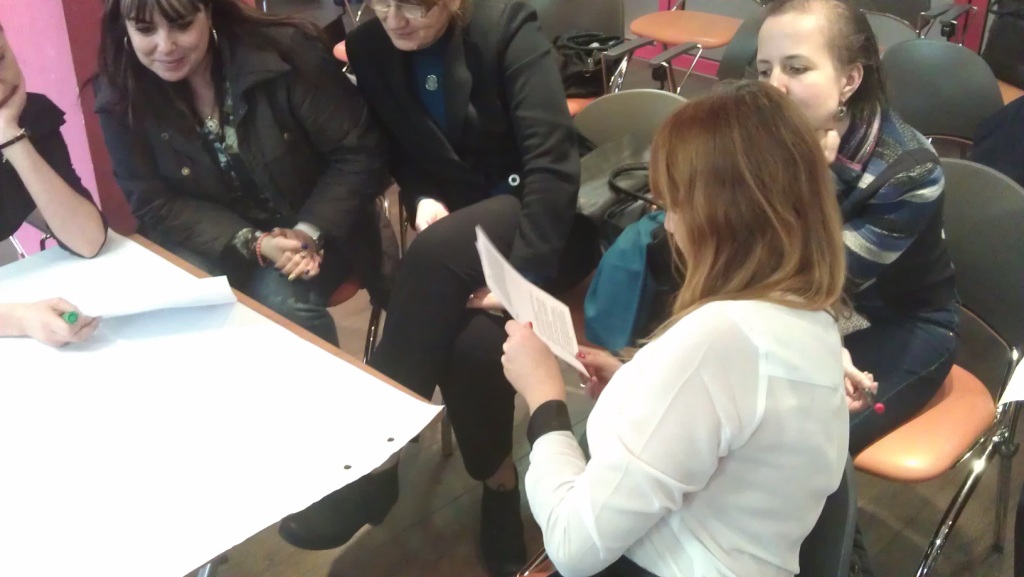
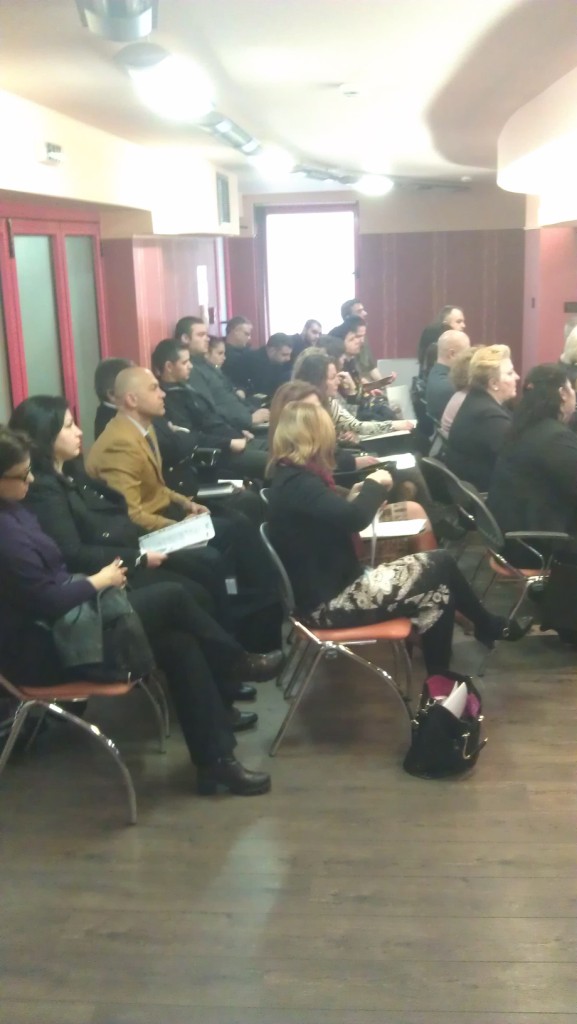
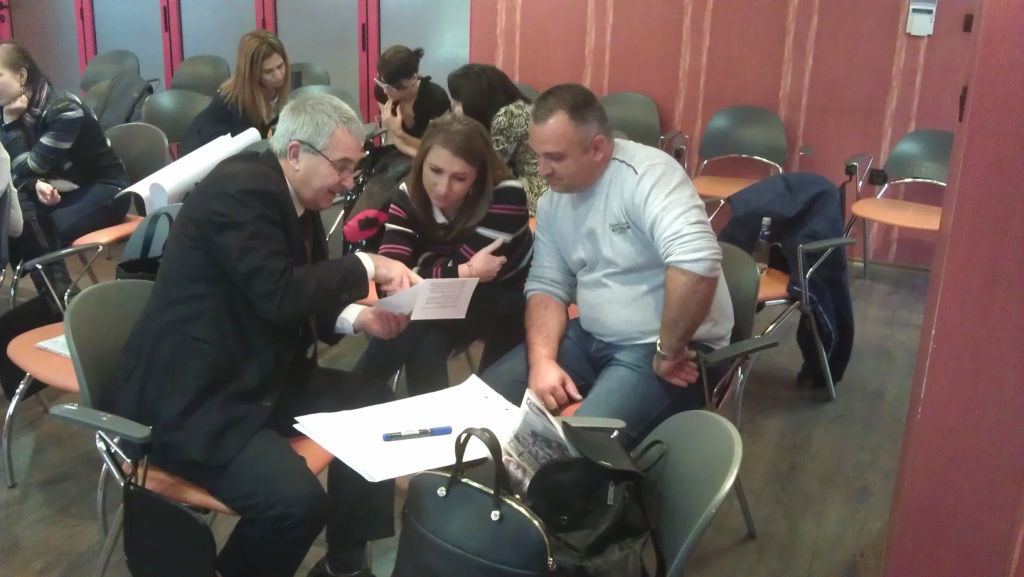
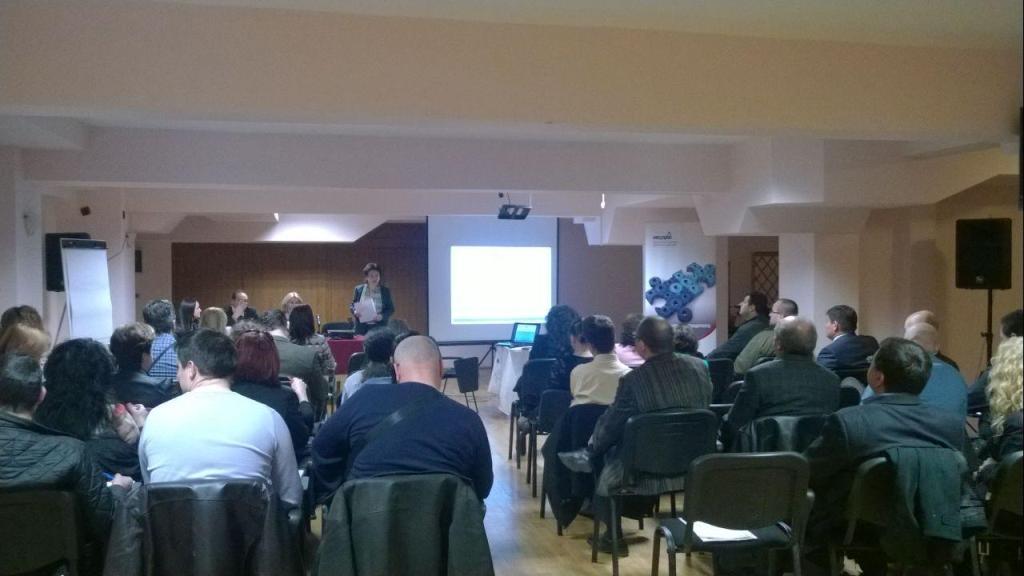
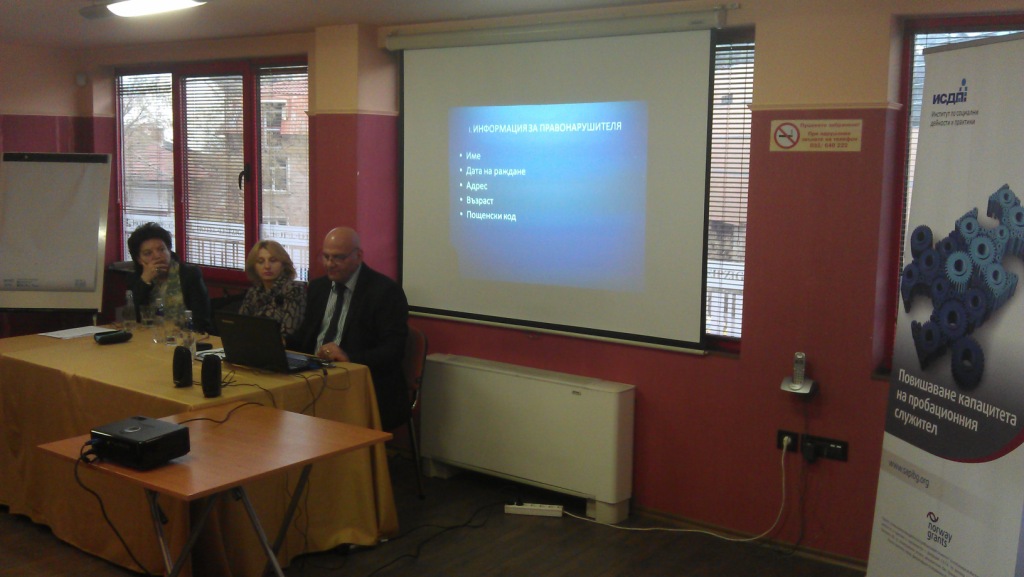
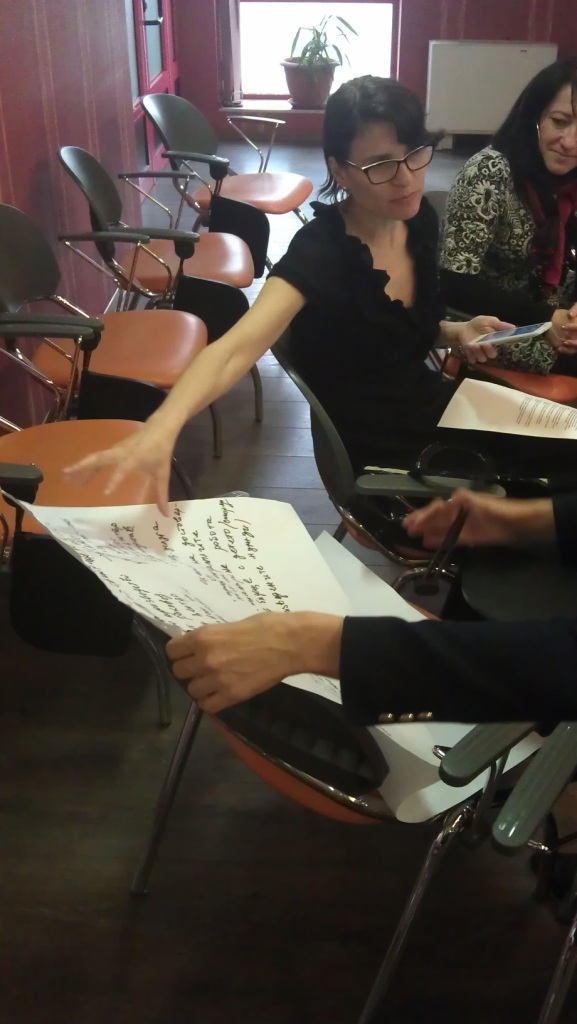
Seminars held in Plovdiv, Veliko Tarnovo, Burgas and Sofia for professionals working in the field of child justice, engaged in this discussion 200 judges, prosecutors, investigating officers, representatives of Regional Services Execution of Sentences, Regional Social Assistance Directorates, Regional Inspectorates of the Ministry of Education and Science (MES), Regional Health Inspectorates, municipalities, NGOs and social services providers.
Child victims of abuse and children who are suspects or accused persons in criminal proceedings have specific needs to which the systems need to adapt. Two European Directives set requirements to member states’ legislation. The first Directive, which has been adopted by Bulgaria, requires the establishment of minimum standards on the rights, support and protection of child victims of crime and participants in criminal proceedings through legislation. The second Directive was adopted by the European Commission in the beginning of 2016 and regulates the rights, support and protection of children who are suspects or accused persons in criminal proceedings. Its transposition in our national legislation is pending.
Following in the steps of law makers, are the systems – judicial, social, police, education and health - ready to respond to the challenge?
A practice that the social and judicial systems share is the individual assessment of the children participating in legal procedures. The paradox is that the assessment was introduced in the two systems in Bulgaria more or less simultaneously. It is applied in every service provided by the social workers to a child at risk. Within the judicial system, an assessment and a pre-trial report are produced of the child who is a suspect or accused person in criminal proceedings and are used in the process of execution of imprisonment sentences and then for execution of probation sentences. Each of the two systems conducts the child’s assessment inconsistently, without coordinating the process with one another, in accordance with their own criteria and framework.
The meeting of the two systems in our country is a hard and slow process. Now we have one more reason to make this meeting possible, prof. Nelly Petrova says without hesitation. Both Directives require a multi-disciplinary approach to assessment of children regardless of whether they are victims, witnesses or suspects/accused. The place of assessment in the judicial system is yet another topic which raises acutely the issue about the link between justice and social work. First, in the cases involving child victims of abuse and very soon – those involving child suspects/accused.”
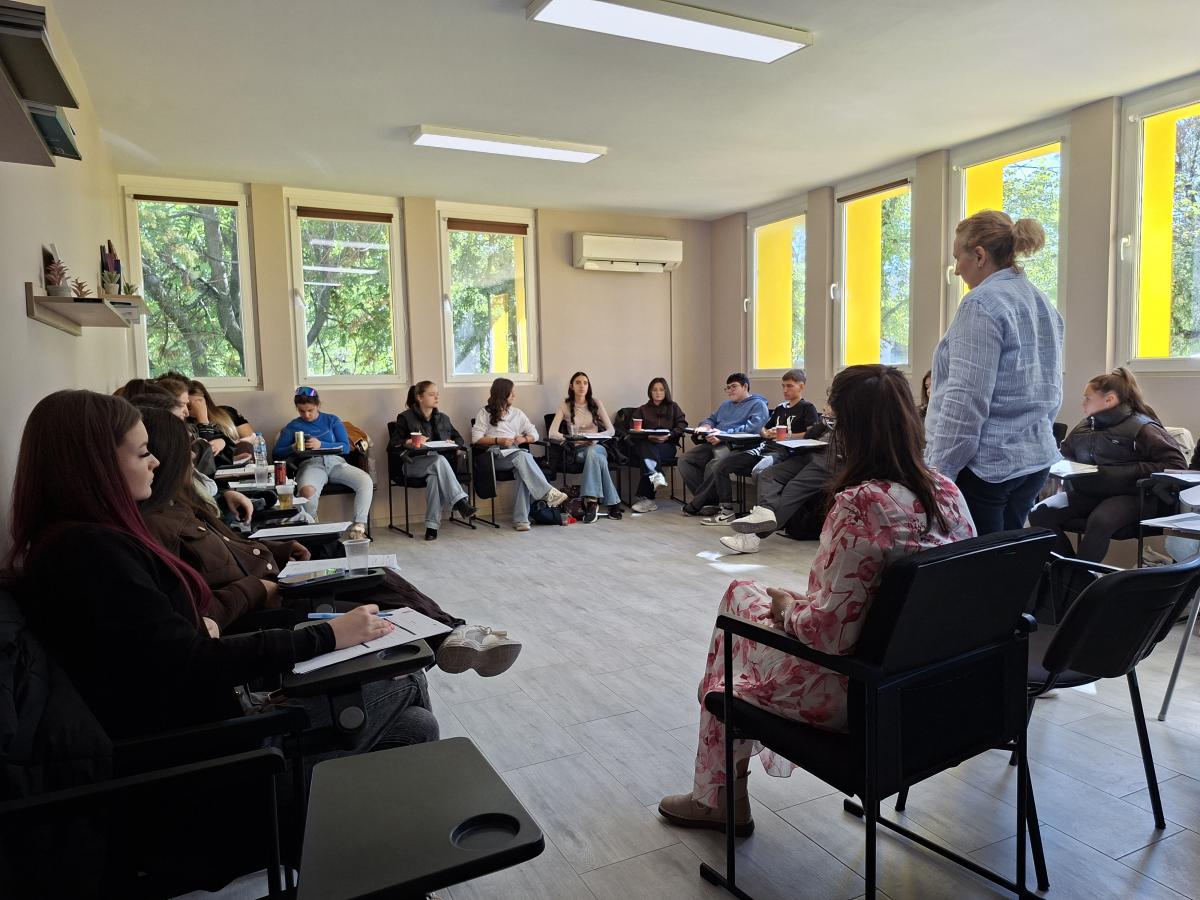
In 2015, 310 children aged 14 – 18 years committed crimes and were sentenced to probation – an alternative to a prison sentence. There is still lack of understanding within the judicial system about alternative punishments, the role of the assessment and the pre-trail report, the options available for engaging community resources such as social and other services for support, change and employment, the opportunities for incorporation of public impact programmes in the sentence. The seminars opened up opportunities for professional discussions, sharing of opinions by professionals from the various systems, overcoming of resistance and making sense of joint work in the name of fair justice.
Gallery
Семинари Пробация
Семинари Пробация
Семинари Пробация
Семинари Пробация
Семинари Пробация
Семинари Пробация
Семинари Пробация
Семинари Пробация
Семинари Пробация
Семинари Пробация
Семинари Пробация
Семинари Пробация
Семинари Пробация
Семинари Пробация
Семинари Пробация
Семинари Пробация
Семинари Пробация
Семинари Пробация
Семинари Пробация
Актуално от нас
Кампании и обучения


